Blackjack Techniques for Better Results
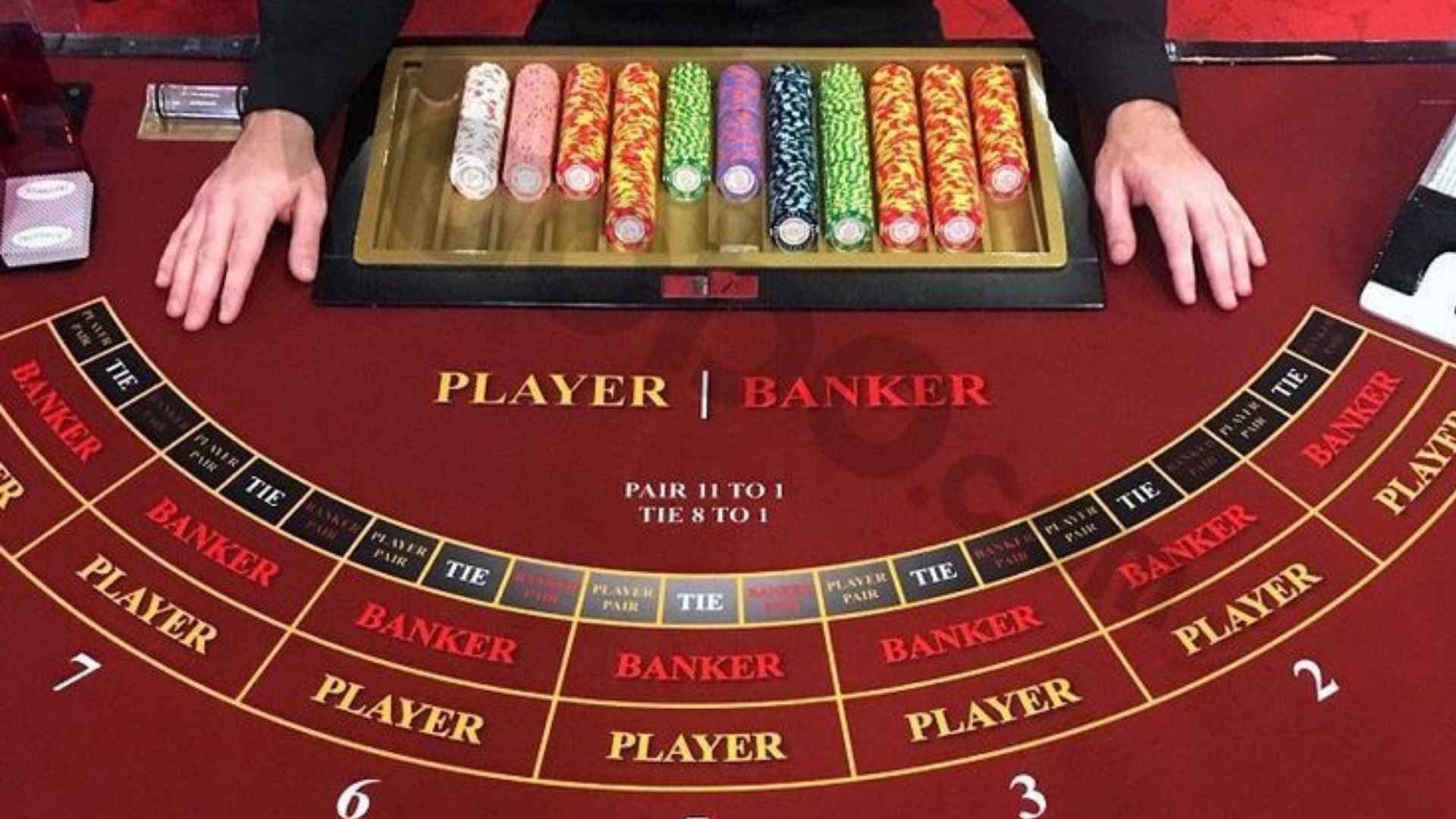
Practicing blackjack effectively requires shifting your focus from pure luck to mathematical discipline and strategic consistency. Unlike many other casino attractions, blackjack allows players to systematically reduce the house edge by making calculated decisions on every single hand. By developing an intentional approach to your training sessions, you can turn casual card play into a highly structured routine that sharpens your analytical reflexes over time.
Mastering the Fundamentals of a Strategy Chart
The single most important milestone in your training is memorizing a basic strategy chart, which represents the mathematically ideal decision for every combination of cards. This foundational resource tells you exactly when hitting, standing, splitting pairs, or doubling down maximizes your long-term probability of winning. Practicing without this framework usually reinforces bad habits that can quickly drain your gaming funds during live play.
To build reliable muscle memory, try using physical flashcards or free digital software that tests your responses to tricky scenario combinations, such as soft totals or specific dealer upcards. Regular practice sessions help remove second-guessing and emotional reactions from your gameplay, allowing mathematical statistics to guide your path. Finding a secure and trusted platform via the M88 link login provides a safe environment to observe real-time table distributions and test your strategic knowledge.
Simulating Realistic Playing Environments
While testing your skills in a completely quiet room is great for initial learning, real casino environments are filled with continuous background noise and visual distractions. To bridge this gap effectively, try practicing with background media playing or use simulation programs that impose realistic table timers on your decisions. This method trains your brain to maintain absolute focus and compute strategy numbers correctly even when surrounded by heavy external stimulation.
Additionally, dealing physical hands to yourself at a realistic tabletop setup can help you get used to scanning layouts and calculating mathematical point values rapidly. Managing multiple betting spots during these solo drills can also improve your overall situational awareness and layout comprehension. The faster you can assess the table layout under simulated pressure, the easier it becomes to execute perfect choices during live gaming sessions.
Implementing Structured Bankroll Tracking
An often overlooked aspect of practicing effectively is tracking your imaginary betting units and reviewing your financial habits over extended periods. You should treat every training session as if you are playing with real funds by establishing strict win goals and loss limits before dealing the very first card. Documenting your strategic accuracy alongside your simulated bankroll fluctuations helps identify whether specific errors are consistently impacting your performance.
Developing this level of tracking self-discipline ensures you remain cool, calm, and collected even during unexpected statistical downswings. Practicing proper money management during simulations naturally translates into sustainable, controlled betting behavior when real stakes are introduced to the table. Ultimately, combining analytical tracking with tactical card execution is what transforms a casual enthusiast into a truly proficient player.